As a parent, you notice everything about your child. But knowing whether their teeth are developing the way they should that is not always obvious.
Most children do not complain about misaligned teeth. They adapt. They chew differently, breathe through their mouth, or avoid smiling in photos without ever telling you something feels wrong.
The good news is that catching orthodontic issues early makes treatment faster, simpler, and more affordable. Here are the ten signs every Abu Dhabi parent should know.
1. Crowded or Overlapping Teeth
This is the most visible sign. If your child’s teeth are visibly bunched together, twisted, or overlapping there is not enough space in the jaw for them to sit correctly.
Crowding does not resolve on its own. It tends to worsen as permanent teeth continue to come in. Early intervention creates space before the problem becomes more complex.
2. Gaps Between Teeth
Spaces between teeth can be perfectly normal especially when baby teeth are still present. But persistent gaps between permanent teeth often indicate a jaw size or teeth size mismatch that orthodontic treatment can correct.
3. Difficulty Chewing or Biting
If your child avoids certain foods, chews only on one side, or frequently bites their cheek or tongue their bite may be misaligned. A proper bite means upper and lower teeth meet evenly. When they do not, chewing becomes uncomfortable and uneven.
4. Mouth Breathing
Children who consistently breathe through their mouth especially during sleep often have an underlying jaw or airway issue. Mouth breathing over time can affect how the jaw and teeth develop, making early orthodontic assessment important.
Watch for: open mouth during sleep, snoring, or dry lips in the morning.
5. Thumb Sucking Beyond Age 5
Thumb sucking is completely normal in young children. But when it continues past the age of five, the constant pressure can push the front teeth forward and affect the shape of the roof of the mouth creating an open bite that requires orthodontic correction.
6. Teeth That Do Not Meet When Biting
Ask your child to bite down gently and look at how their teeth come together. There are three common misalignment patterns to watch for:
- Overbite — upper front teeth overlap too far over the lower teeth
- Underbite — lower teeth sit in front of the upper teeth when biting
- Open bite — upper and lower front teeth do not touch at all when the back teeth are closed
All three are treatable and all three are easier to correct when caught early.
7. Jaw Shifting or Clicking
If you notice your child’s jaw shifts to one side when they open or close their mouth or if they mention clicking or discomfort in the jaw this can indicate a crossbite or jaw alignment problem that should be assessed by an orthodontist.
8. Losing Baby Teeth Too Early or Too Late
Baby teeth act as natural guides for permanent teeth, holding space open for them to erupt in the right position. Losing them too early from decay or injury can allow surrounding teeth to drift and block the permanent tooth’s path. Equally, baby teeth that stay too long can push emerging permanent teeth out of alignment.
9. Teeth That Stick Out
Upper front teeth that protrude significantly sometimes called buck teeth are not just a cosmetic concern. Protruding teeth are more vulnerable to chipping and injury, especially in active children. Orthodontic treatment brings them back into a safe, natural position.
Orthodontic Treatment for Children at California Medical Center
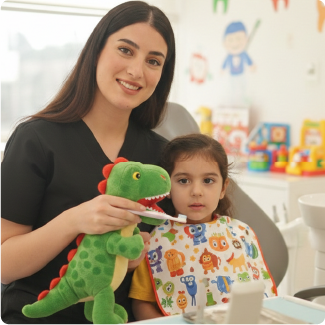
At our clinic in Shakhbout City, Abu Dhabi, we see children from age 7 for orthodontic assessments. Our orthodontist will examine your child’s teeth, jaw development, and bite — and give you an honest, clear picture of whether treatment is needed now, soon, or not at all.
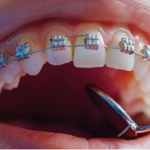
We offer metal braces, ceramic braces, and clear aligners depending on your child’s age, needs, and preference. We accept all major UAE insurance plans and will check your child’s coverage before any treatment is recommended.